
-
Life Lines
From the Earth to the moon: failure to communicate
-
Drawing Laughter
Sylvia saddles up for next adventure: driving with mice
-
The View From Here
They’re back!
-
Stories in a Snap
The Taco Bell envelope that showed up this week
-
Letter to the Editor
Support Dover library levy renewal
-
Letter to the Editor
Chuck Ellis seeks Coshocton commissioner role
-
Eldercare Wisdom
Remembering my grandfather's wisdom and legacy
-
Pastor's Pen
Still pondering the meaning of Easter
-
Letter to the Editor
Political donations stir controversy thoughts with reader
-
Letter to the Editor
Ross endorses Beth Lear for Ohio Senate
Civil War program explores history through food
Presenter highlights soldiers’ daily struggles, ingenuity
As the nation celebrates its 250th anniversary, local residents recently gathered at the Creston Branch of the Wayne County Public Library for a program that brought American Civil War history to life through a uniquely human lens — food.
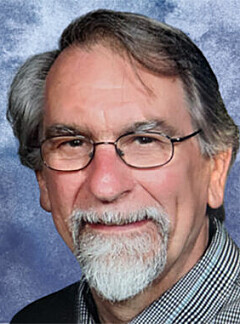
Presenter Chris Hart, a historian, character interpreter, professor of pharmacy and retired pastor known for his engaging first-person storytelling, delivered a program titled “A Taste of War,” connecting everyday culinary experiences of soldiers to the broader story of the nation’s past.
“An army marches on its stomach,” Hart said, emphasizing how food — often overlooked in traditional history — played a critical role in the Civil War.
Through firsthand accounts, letters and historical anecdotes, Hart illustrated how Union and Confederate soldiers navigated hunger, scarcity and improvisation during one of the most defining periods in American history. From hardtack and salt pork to improvised meals cooked over open fires, the presentation highlighted the resilience and adaptability of those who served.
Hart explained that many soldiers entered the war with little to no experience cooking for themselves, forcing them to quickly learn — often through trial and error — how to prepare basic meals under challenging conditions.
The program also explored how food shortages, supply chain challenges and foraging shaped military campaigns and daily life. Soldiers frequently wrote home about food, often complaining about poor quality and longing for a good meal.
Despite hardships, Hart shared moments of ingenuity and humanity — such as informal trading between opposing soldiers, where Union troops exchanged coffee for Confederate tobacco across battle lines, demonstrating that even in wartime, shared needs could bridge divisions.
Hart said that while battles and leaders often dominate historical narratives, the daily lives of ordinary people provide a fuller understanding of the past.
“Both armies had to eat. Both armies had to figure it out,” he said, summarizing the shared struggle that transcended sides.
By focusing on the common experiences of soldiers, the program offered a reminder that America’s story is not only one of battles and milestones but also of the people who lived it.
The presentation is related to the ongoing America 250 celebration, which encourages communities to reflect on the nation’s history and the experiences of everyday Americans.
These events continue to highlight the depth of the nation’s heritage, encouraging reflection, education and a renewed appreciation for the shared history that unites communities today.
For a schedule of America 250 events throughout Ohio, visit www.america250-ohio.org.
Dan Starcher is the communications coordinator for Wayne County.