
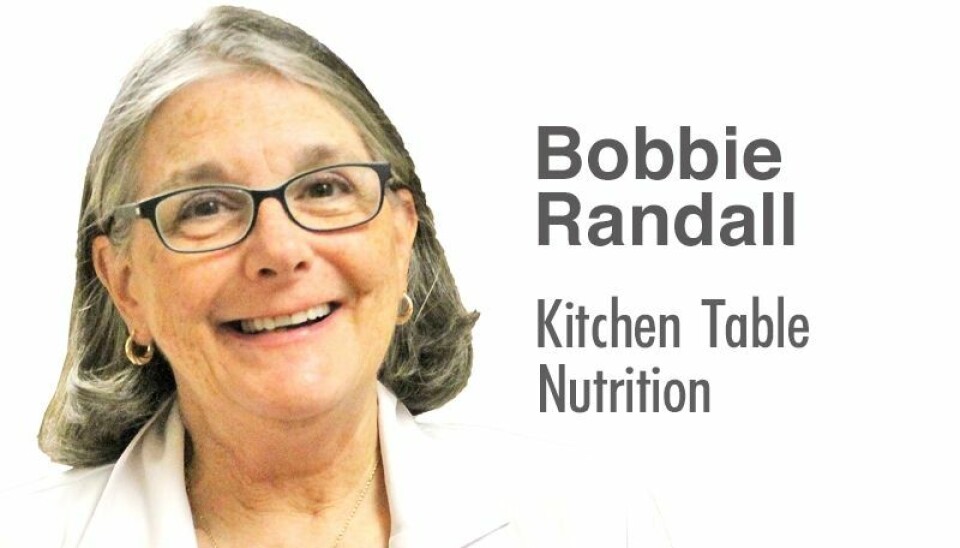
Kitchen Table Nutrition

Debunking holiday food myths and fears

Dietitian urges balanced approach to seasonal eating, hydration and moderation without guilt

Merry Christmas! During the holidays, it is important to enjoy our favorite foods and drinks without guilt and indigestion. When indulging in rich foods and beverages, stay hydrated to maintain a healthy balance.

While it’s true excessive amounts of sugar are not healthy, this doesn’t necessarily mean sugar is evil or that it directly causes hyperactivity in children. Simplifying complicated nutritional science into catchy sound bites can perpetuate myths.

The traditional myth of carbohydrate foods causing people to be overweight is not necessarily true. It's not carbohydrate foods that are causing weight gain. It's the serving sizes associated with carbohydrates that tend to be larger, especially when we eat pasta, potatoes, rolls or sweets. It adds up quickly, and in that way, the excessive calories can put on extra pounds. It's not the carbs themselves.

Some folks think people do not pack on much weight during the winter holiday season. In reality many people gain between 2-5 pounds from Thanksgiving to New Year's. The problem with holiday weight gain is it tends to not come off afterward.

Another misconception is to skip meals before a holiday event to save calories for later. If you’re headed to a big holiday dinner, you might be tempted to skip lunch beforehand, thinking that way you can save room for all the things you want to eat. But that can backfire. You can end up so hungry you eat too fast and too much, and then you feel uncomfortable afterward.

It is not a myth that restricting food throughout the day leads to overeating or bingeing. Considering late-night eating, if you find yourself snacking a lot at night, it can often be because you just didn't eat enough during the day, and maybe you didn't satisfy your body's needs during the day. Then you are a little bit too hungry at night, and you find yourself overeating. Mindless late-night snacking in front of the television and overindulging with family and friends can be a sign of not eating enough earlier in the day.

After a big holiday meal, mythical tiredness is blamed on the turkey because of the amino acid tryptophan it contains. However, turkey contains no more tryptophan than other types of poultry. In fact, chicken white meat has a greater amount of tryptophan than turkey white meat. It is the overabundance of carbohydrate foods and possibly alcohol that causes the “food coma” and demands a nap after the feast.

By the way, certain foods cannot cure alcohol hangovers. This horrible feeling is a result of dehydration, low blood sugar and damage to the lining of your digestive tract. There is no cure. The best thing to do is to rehydrate with diluted fruit juice or electrolyte drinks and small servings of bland food. Prevention is the key. Moderate your intake and drink lots of water.

Enjoy time with family and friends. Be kind to those who grieve from the holidays of yesterday and the absence of loved ones. Gratefulness is the key to joy. Remember the real reason for the season, Jesus.

Bobbie Randall is a registered, licensed dietitian. Email her at bobbierandallrd@gmail.com.